
Army looking at yoga, acupuncture to treat pain.
2010-07-15
The Army’s health care system may soon see changes in how Soldiers are
treated for pain, according to a report released by the Army’s surgeon
general last month.Read More
Celebrating the Fourth with a big BANG!
2010-07-15
U.S. Army Garrison Stuttgart’s Family and Morale, Welfare and
Recreation hosted a bang-up Independence Day celebration at Husky Field
on July 4.Read More
BICES training enhances Polish SOF ‘commo’ capability
2010-07-15
Special Operations Command Europe Public Affairs OfficeRead More
All Star girls step up to plate at European Little League tourney
2010-07-15
In Europe, no other sporting event takes precedence over World Cup Soccer.Read More
Summer Hire Program pays off in experience, cash
2010-07-15
A sputtering U.S. economy means many teens are jobless this summer.Read More
Use caution while traveling – crime doesn’t take vacations
2010-07-15
Crime doesn’t take vacations. Read More
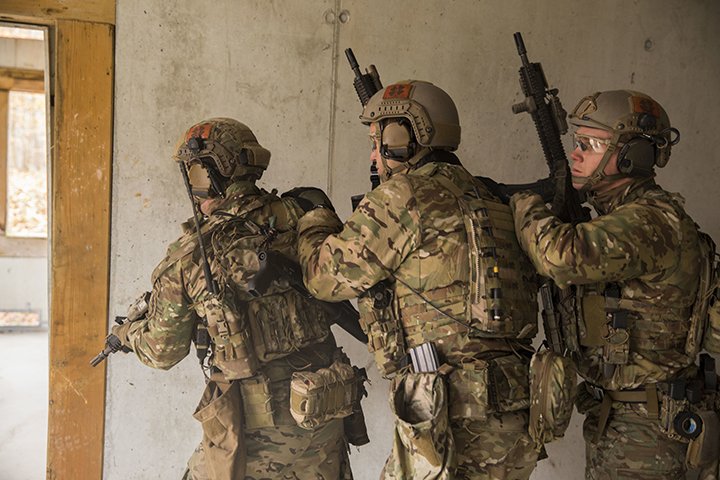
Stuttgart SF detachments win Thorne Award
2010-07-15
During a short ceremony June 28, Col. Sean P. Swindell, the 10th
Special Forces Group commander, honored both Operational Detachment
0116 and the Service Detachment of 1st Battalion 10th Special Forces
Group (Airborne) with the Larry Thorne Award for being the best
detachments in the Group throughout 2009.Read More
EFMP: fulfilling the promise to all family members
2010-07-15
Army Families deal with unique challenges associated with military life, especially when it comes to relocation. Read More
‘Don’t Ask, Don’t Tell’ surveys hit inboxes
2010-07-15
Gen. Ham encourages service members, spouses to provide open, honest feedbackRead More

Touring Bavaria: searching for castles, kings, churches
2010-06-30
Bavaria is famous for its picturesque lakes, hiking trails, idyllic villages, castles, monasteries and Baroque churches.
In this region, there is always something new to explore and hidden treasures to be found, even for natives of Germany.Read More
Be aware of ticks, their diseases, symptoms
2010-06-30
Entomologists at the U.S. Army Public Health Command Region-Europe are reporting an early season for ticks this year.
Though the risk of being bitten by a tick during normal outdoor
activities on military installations is low, the risk of encountering a
tick increases as people and pets get further off paved trails and
mowed parks into tall grass and brushy vegetation.
Lyme disease (known as Lyme borreliosis in Europe) is the most frequent tick-borne disease in Europe. Read More